Electrical and electronics shop POS
Electronics POS for stock, serial and repair decisions
Test quantity-based checkout in Posnic, then keep serial or IMEI, warranty and repair workflows visible as separate approval gates.
Current boundary: quantity stock can be piloted; no serialized-device, warranty-claim or repair-job workflow is accepted.
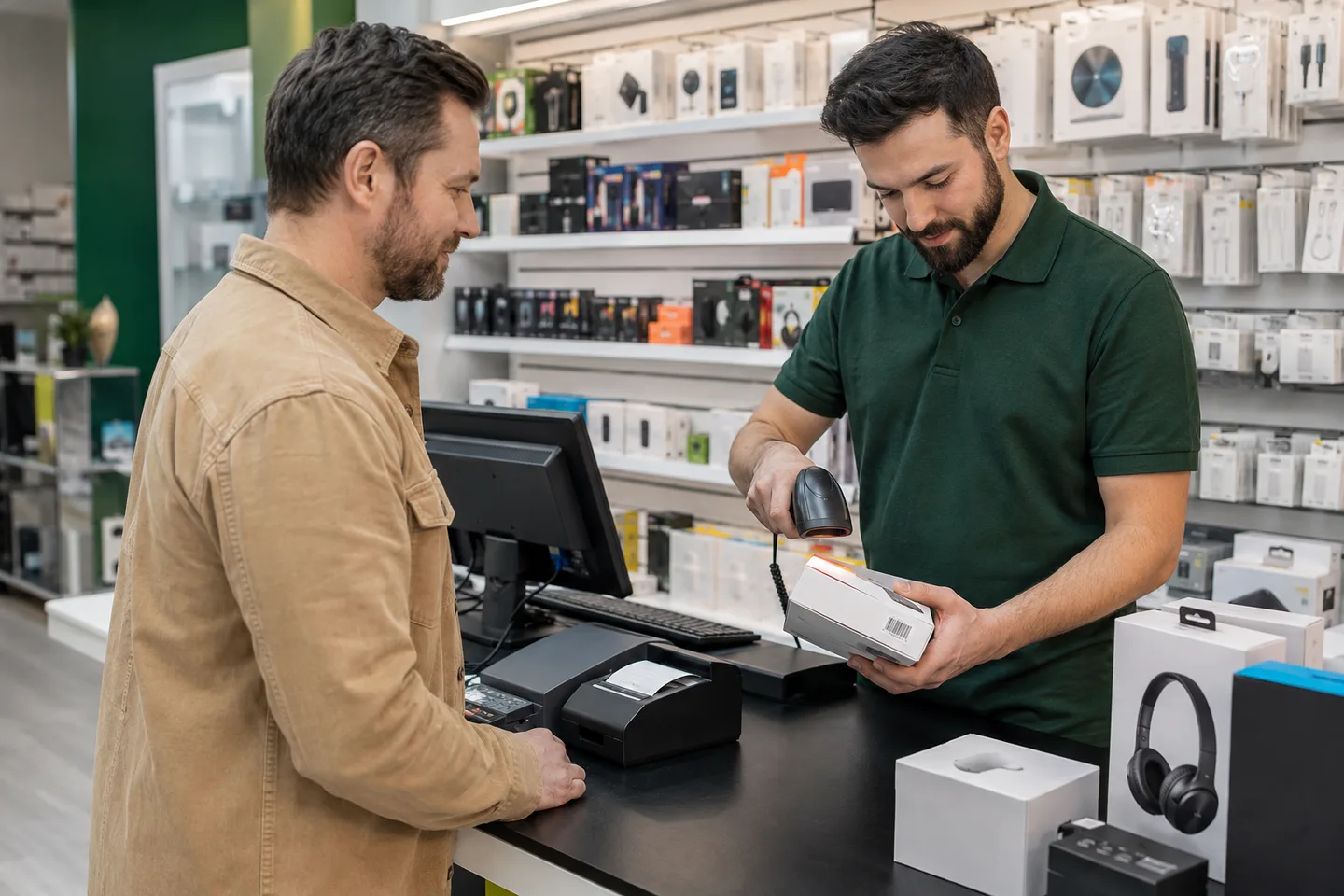
Evidence and review scope
Evidence reviewed 2026-08-28. Pinned item-model, API and hardware-document review; one synthetic local Windows sale; focused retail, billing, import and hardware-protocol source tests; and official GS1, FTC and PCI SSC guidance.
Stable release: v1.9.0, source commit 567a176. No complete electrical or electronics shop day, serialized-device flow, warranty claim, repair job, physical barcode scan, physical receipt or payment-terminal transaction was executed.
One shop can contain four different systems
Quantity stock
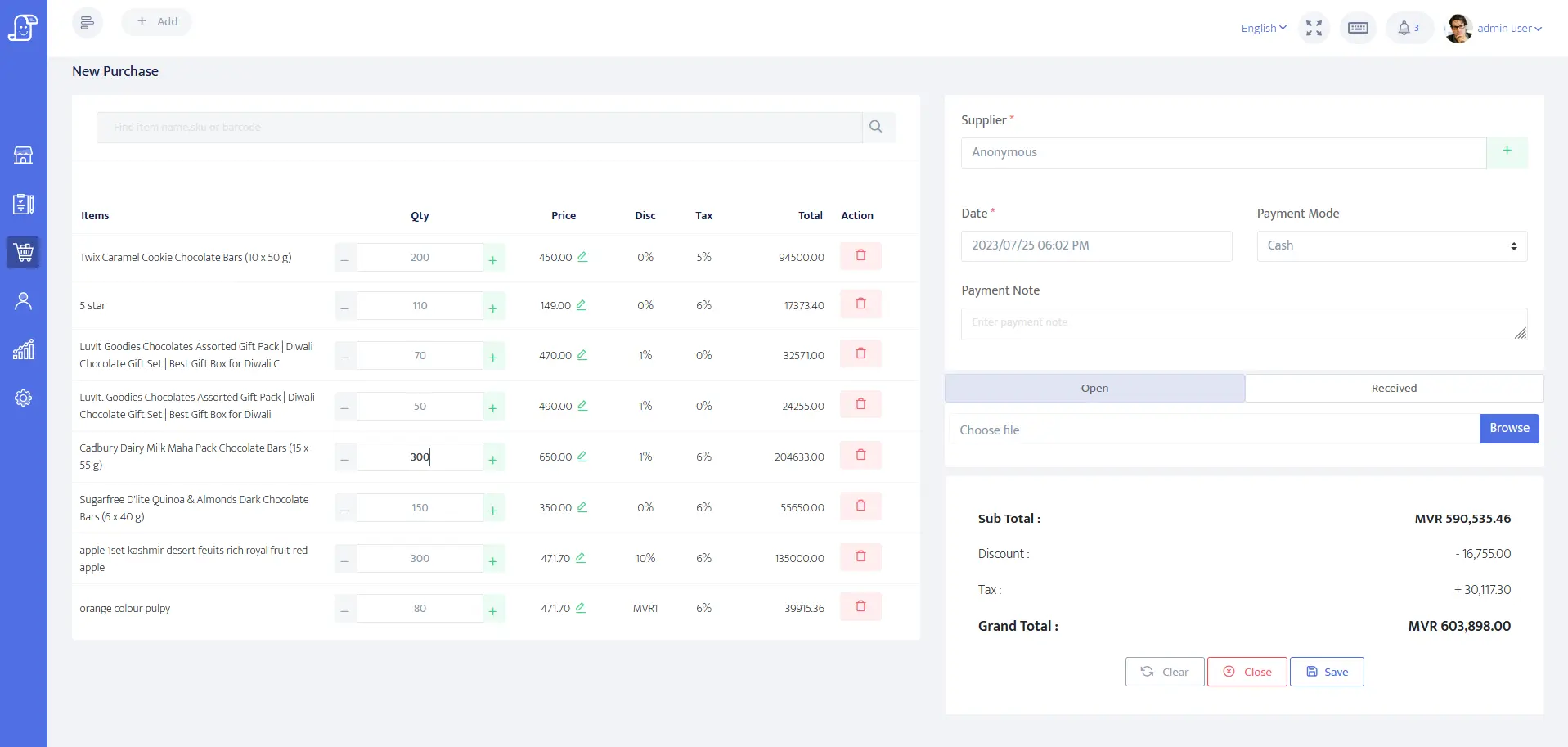
Switches, lamps, cable, plugs and accessories can often use product-level SKU or barcode plus quantity, supplier, cost, price, tax and stock movement. This is the strongest current Posnic fit.
Serialized devices
Phones, computers, appliances and other unique units may need one immutable serial or IMEI from receiving through sale, return and replacement. The reviewed Posnic item model has no dedicated unit-serial field.
Warranty and repair
Warranty eligibility and repair custody need records beyond a final invoice. No dedicated claim or repair job-card lifecycle was found in the reviewed archived models, routes and controllers.
Match the software to the record
| Workflow | Record needed | Current Posnic boundary | Safe decision |
|---|---|---|---|
| Product catalogue | Name, SKU or barcode, category, supplier, price, tax and quantity. | Dedicated fields exist in the pinned item model. | Use representative products and verify search, tax and duplicate handling. |
| Supplier purchase | Supplier reference, quantity, cost, receipt exceptions and stock posting. | Receiving and purchase-return routes are documented; no complete shop run was executed. | Reconcile a mixed receipt and return before live use. |
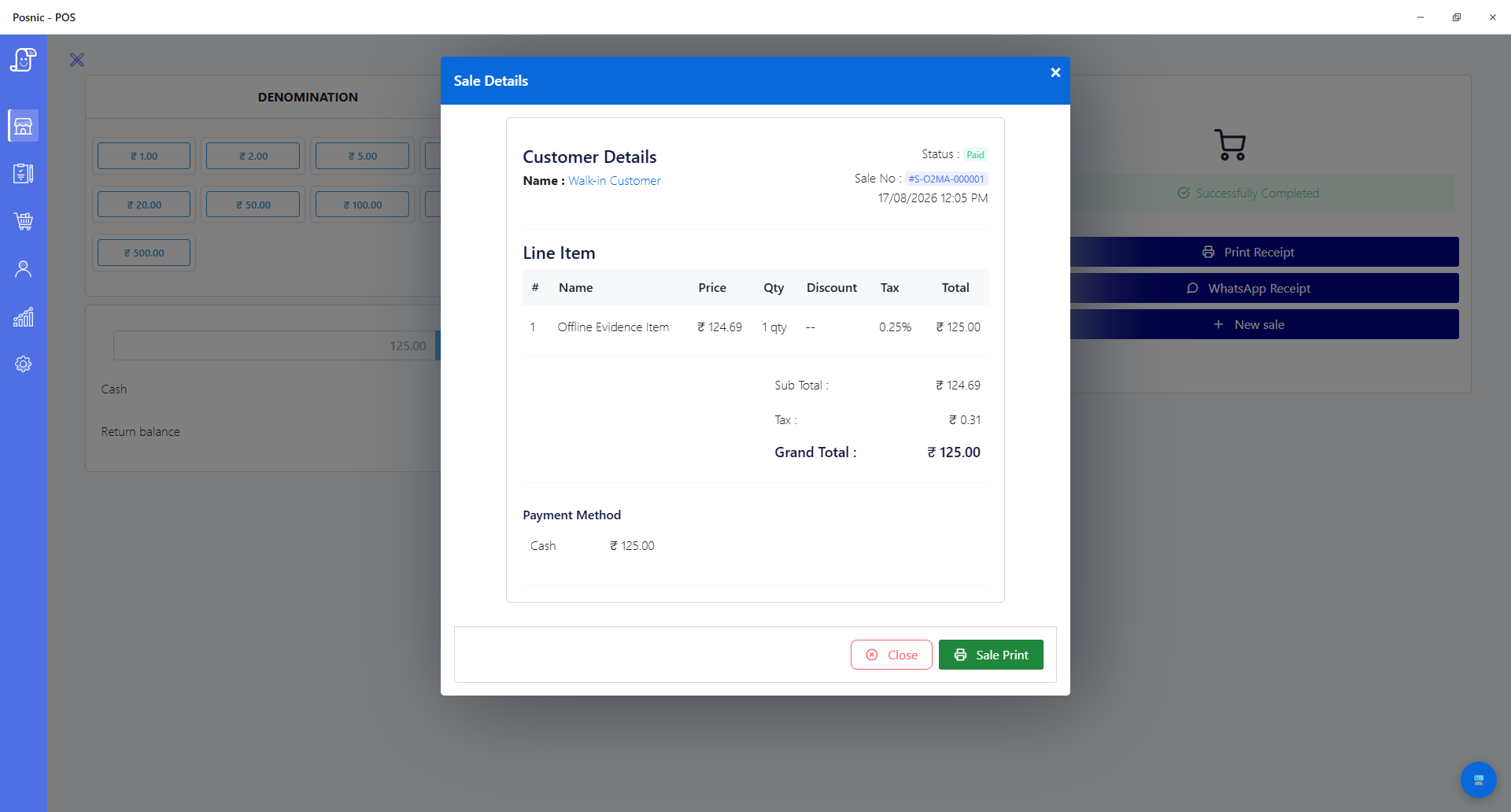
| Retail sale | Item, tax, discount, payment state, receipt, user and stock result. | One synthetic local cash sale and focused receipt tests passed. | Run normal and exception sales on the exact counter. |
| Sales return | Original sale, reason, authorization, money movement and stock disposition. | Sales-return routes are documented, not accepted for a unique device. | Test sellable, damaged and wrong-unit returns separately. |
| Unit serial or IMEI | One unique identifier linked to each physical unit and every movement. | No dedicated accepted field or lifecycle was found. | Keep a separate controlled register until a release passes end-to-end acceptance. |
| Warranty claim | Terms, sale, unit identity, eligibility, custody, result and replacement. | No dedicated warranty-claim workflow was found. | Use a governed claim process approved for the shop's jurisdiction. |
| Repair job | Intake, condition, diagnosis, estimate, approval, parts, payment, status and delivery. | No dedicated repair job-card lifecycle was found. | Use a purpose-built service system until the complete flow is accepted. |
What was actually inspected
| Area | Observed evidence | Boundary |
|---|---|---|
| Item model | Product barcode, SKU, category, supplier, branch, quantities, costs, prices, tax, HSN and inventory flags are present. | No dedicated unit serial, IMEI, warranty or repair-job field was found. |
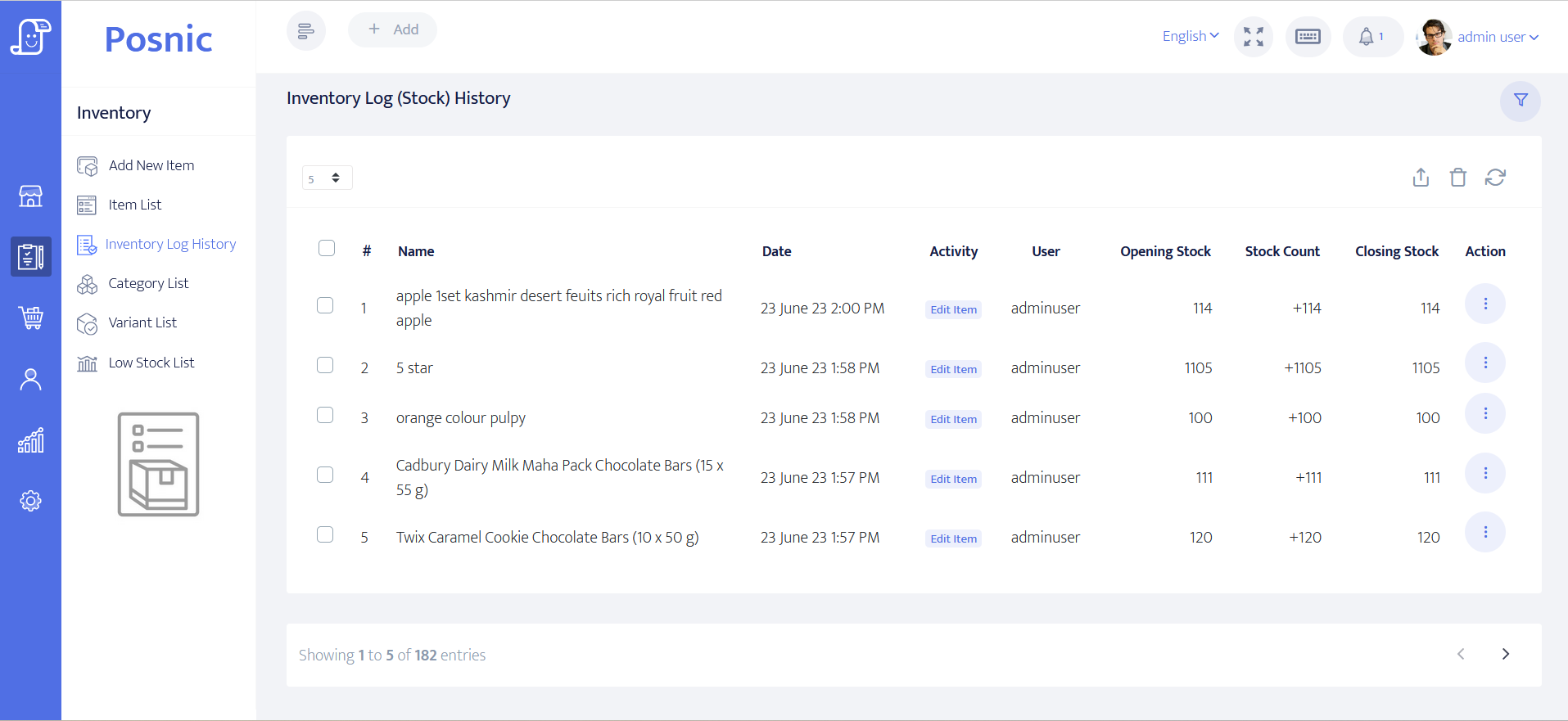
| Retail source review | Pinned documentation covers sales, purchases, returns, stock movement, barcode input and low-stock paths; 57 vertical-supporting tests passed. | No complete retail or electronics-shop day was executed. |
| Local sale | Synthetic cash sale S-O2MA-000001 was stored and reopened on Windows while external hosts were blocked inside Electron. | Not a system-wide disconnection, serialized sale, physical print or payment-terminal test. |
| Receipts and reports | Thirty-seven focused receipt, report, local-asset and sales call-path tests passed. | No physical receipt or complete counter shift was run. |
| Product import | Seven shipped CSV templates passed six structural and sample-data tests. | The import was not executed through the user interface. |
| Scanner and print paths | The pinned matrix documents keyboard-wedge scanning and 35 receipt, report and scale protocol tests passed. | No physical scanner, printer, drawer, scale, display or payment terminal was connected. |
| Returns | Pinned API documentation lists sales-return and purchase-return routes. | No serialized return, exchange, warranty claim or supplier reimbursement was accepted. |
| Repair workflow | Targeted model, route and controller review found no dedicated repair lifecycle. | Intake, custody, estimate, approval, technician, parts, advance, status and delivery remain unproved. |
Prepare a controlled electrical-retail pilot
- List every product class and mark it as quantity stock, serialized stock, service charge, repair part or customer-owned property.
- Create clean names, SKU or GTIN, barcode, category, supplier, cost, selling price, tax and opening quantity for representative items.
- Do not use one shared product barcode as a unique device serial. Define a separate unit identifier and system when traceability is required.
- Receive a supplier order with partial, damaged and returned lines, then match stock and supplier evidence.
- Run normal sale, discount, cancellation, failed payment, return and exchange scenarios on the exact computer and receipt format.
- Connect one real scanner in keyboard-wedge mode and test good, duplicate, unknown, damaged and 2D labels before buying more devices.
- Set off-machine backup and complete a restore into a disposable environment before trusting the counter.
- Keep warranty claims and repair jobs outside Posnic until their full identity, custody, status, payment and closure workflows are accepted.
Minimum evidence before go-live
- A physical count matches quantity stock for the pilot catalogue.
- A supplier receipt and purchase return reconcile to stock and documents.
- A sale, cancellation, refund and exchange retain original references and named users.
- The receipt and payment state remain truthful when a printer or payment provider fails.
- Every required unique unit can be searched from receiving through sale and return without an editable free-text shortcut.
- Warranty terms and claim handling have been approved for the actual jurisdiction and warrantor.
- Customer-owned repair devices have a separate custody and delivery record.
- The backup, restore, export and owner sign-off are retained with the tested release version.
Product evidence to inspect
Questions buyers ask
Is Posnic electrical shop management software free?
Posnic Community Edition v1.6.1 has a zero software price for local use and public AGPL-3.0-only source. Hardware, setup, support, backups, updates and downtime can still create costs.
Can an electrical shop use Posnic for stock and billing?
The current evidence supports a controlled pilot for quantity-based items, suppliers, purchases, sales, returns, stock movement and reports. A complete electrical-shop day and physical hardware setup still need local acceptance.
Does Posnic track serial numbers or IMEI per device?
Not as a dedicated accepted v1.6.1 workflow. Product barcode and SKU fields exist, but the reviewed item model has no dedicated unique-unit serial or IMEI field.
Can Posnic manage electronics warranty claims?
No dedicated warranty-claim lifecycle was found in the reviewed source. A sales return alone does not cover terms, eligibility, serial identity, custody, repair or replacement evidence.
Can Posnic manage electronics repair jobs?
No dedicated repair job-card lifecycle was found in the reviewed archived models, routes and controllers. Use a purpose-built service record until intake through delivery passes acceptance.
Will a barcode scanner work with Posnic?
The pinned hardware matrix describes keyboard-wedge scanner input, but this review connected no physical scanner. Test the exact scanner mode and representative labels before purchasing multiple units.
Where should I download electrical shop POS safely?
Use the official Posnic download page or the Posnic GitHub release and verify the published checksum. Avoid cracked, repacked or mirror installers for software that handles business records.
Primary sources used
Archived Posnic item model
Pinned product fields and the reviewed unit-identity boundary.
Archived Posnic API inventory
Pinned item, receiving, sale, return, low-stock, report and export routes.
Posnic hardware matrix
Pinned scanner, printer and unsupported-hardware scope.
GS1 GTIN Management Standard
Official rules for consistent product identity decisions.
GS1 Application Identifiers
Official reference distinguishing GTIN and serial-number data.
GS1 retail 2D guideline
Official point-of-sale guidance for product and attribute data in retail barcodes.
FTC warranty guide
Official United States guidance on written warranties, pre-sale availability and jurisdiction limits.
PCI SSC merchant guidance
Official payment-security responsibilities for merchants and payment systems.